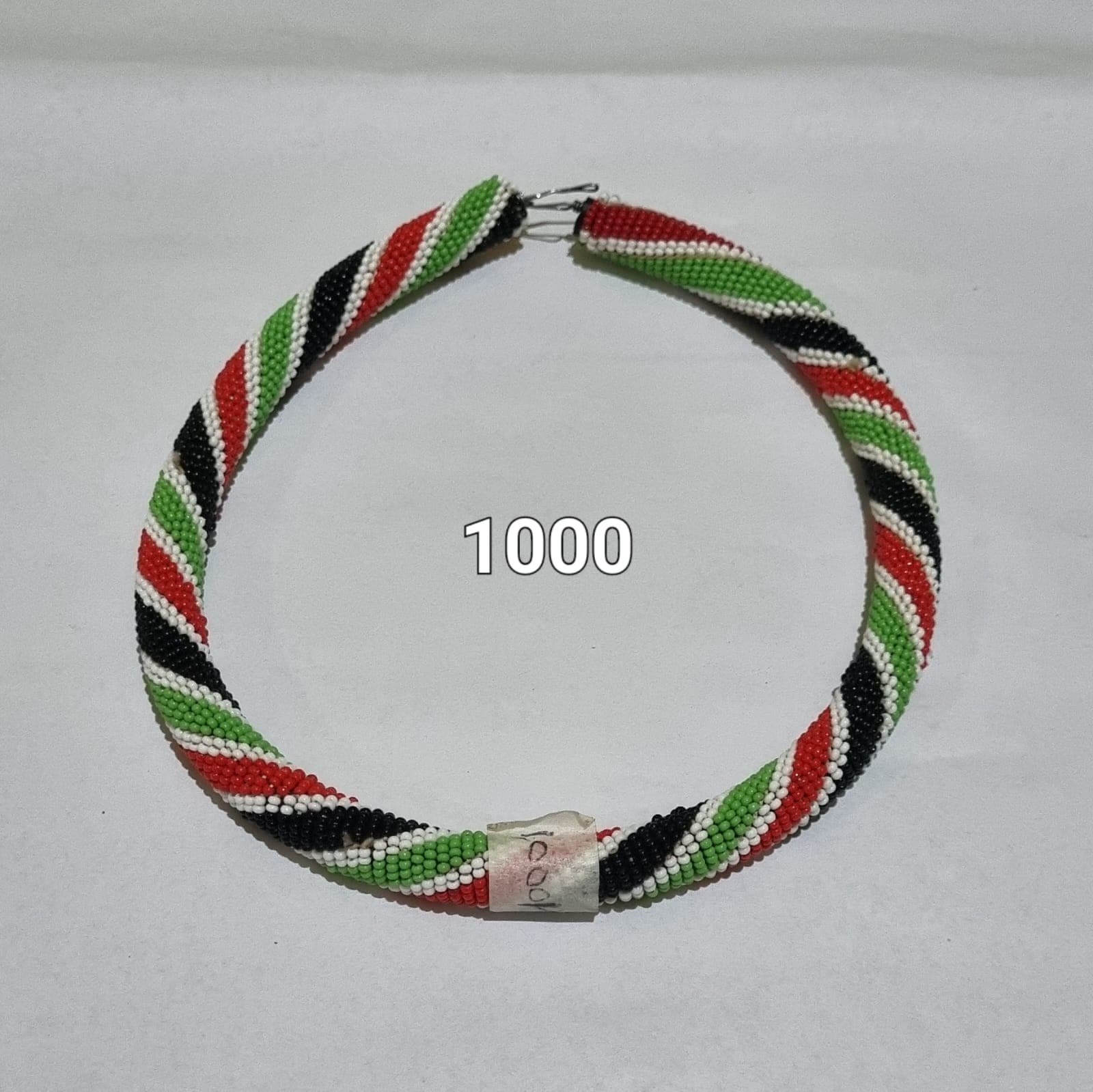
In the vast, open plains of Kajiado, beadwork has always been more than decoration, it is identity, heritage, and pride. For generations, Maasai women have used colorful beads to tell stories of love, age, and social status. Each necklace, bracelet, and belt carries meaning, weaving culture into art.
Yet, in recent years, these beads have begun telling a new story, one of economic empowerment and resilience, led by women who are transforming traditional art into sustainable enterprise through the FAIR for ALL Project under the Rural Women Network (RWN).
Tradition as a Foundation for Empowerment
Among Maasai communities, beadwork has always been part of life. The colors red for bravery, blue for energy, white for peace, green for land, orange for hospitality, and black for resilience, speak a language of their own.
For many women in pastoral communities like Ewuaso, Iloodokilani, and Lorngoswa, beadwork was once a pastime, something done between chores, producing pieces sold cheaply to local traders or tourists. The middlemen dictated prices, often paying as little as Ksh 50 for an item that would later sell for five times more in urban markets.
From Craft to Commerce
To address this, RWN introduced capacity-building sessions on product design, pricing, and market access through its Livelihood Learning Centres (LLCs). Women learned color coordination, durable stitching, and the use of environmentally friendly materials. They were introduced to simple record-keeping and pricing methods to track profits.
Building Sustainable Markets
The FAIR for ALL Project recognized that empowering artisans required going beyond production to building sustainable value chains. RWN partnered with local and regional market actors to create direct linkages between women's cooperatives and buyers.
"Beadwork is now seen as a cultural brand of Kenya," notes Pauline Kariuki, the RWN director. "It promotes heritage while creating real income for women who used to depend entirely on livestock or casual work."
The Cooperative Advantage.
Through women-led multi-purpose cooperative societies established with FAIR for ALL support, bead artisans have gained access to collective savings, credit, and joint marketing. Cooperatives have allowed women to bulk-purchase beads, reduce costs, and invest in shared assets such as storage facilities and display stalls.