Conservation Agriculture
Sustainable farming practices including minimal tillage, crop rotation, and soil conservation methods to preserve natural resources.
Soil degradation and erosion threaten the productivity of Kenya's agricultural lands. Conservation Agriculture offers a sustainable solution that protects soil health while maintaining and improving crop yields. Our program trains rural women in proven conservation practices that restore degraded lands and build long-term agricultural sustainability.
Program Overview
Conservation Agriculture is built on three core principles: minimal soil disturbance, permanent soil cover, and crop diversification. Women farmers learn to implement these principles through practical techniques including minimal tillage, mulching, cover cropping, and integrated pest management. The program emphasizes working with nature rather than against it, reducing input costs while improving soil fertility and water retention.
Key Activities
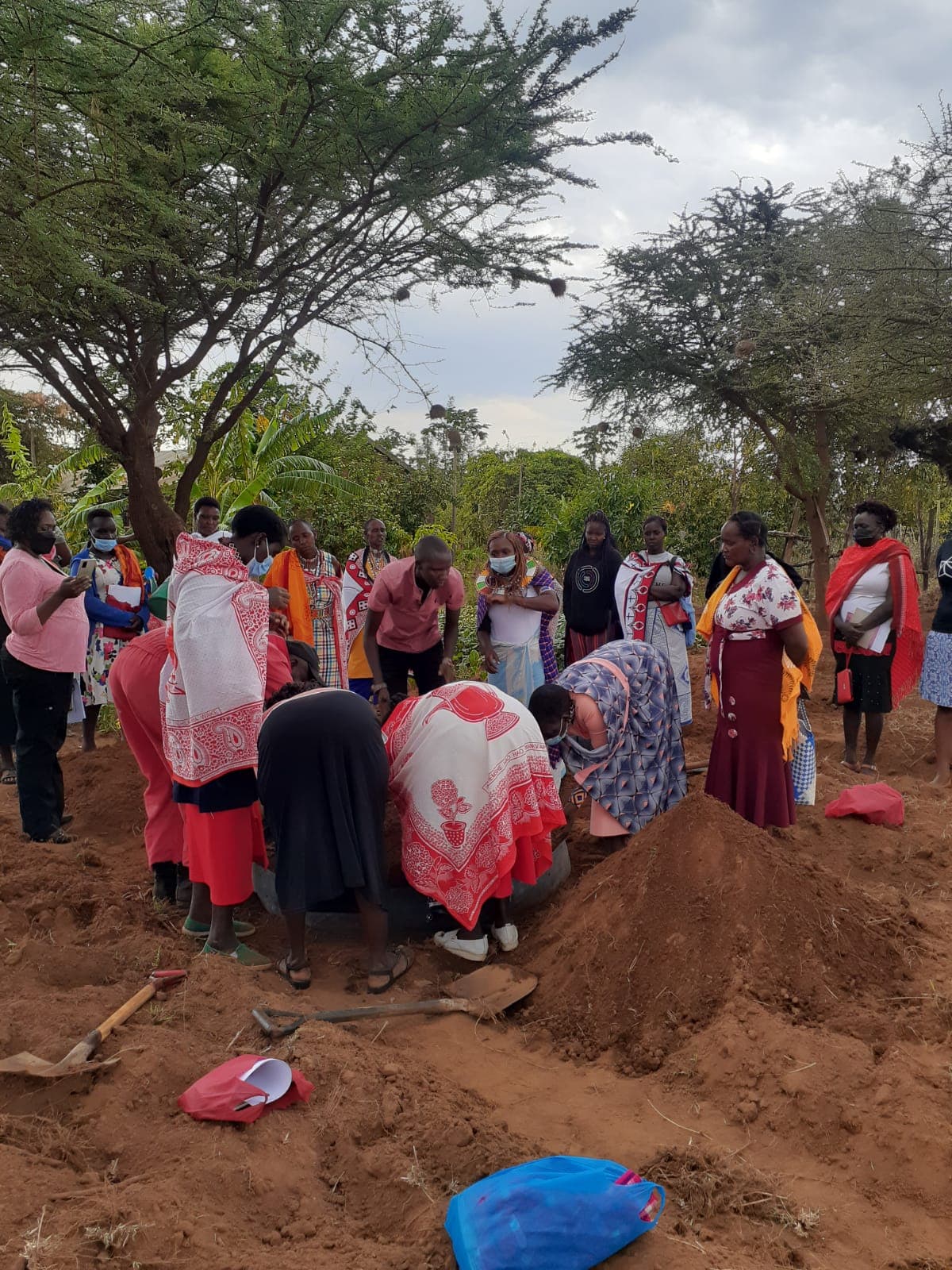
Training covers minimal tillage techniques that reduce soil disturbance, crop rotation systems that enhance soil fertility naturally, mulching methods to retain moisture and suppress weeds, integrated pest management using beneficial insects and natural predators, and cover cropping strategies. Participants establish demonstration plots to practice these techniques and share results with their communities.
Expected Outcomes
Women adopting conservation agriculture practices experience improved soil health, reduced erosion, and increased biodiversity on their farms. Participants report healthier soils, less erosion and more beneficial insect activity on their plots. These environmental benefits translate to more resilient farming systems, lower production costs, and sustainable productivity for future generations.
Program Objectives
- 1
Promote agroecology and organic farming, using natural fertilizers, composting, and crop rotation to keep soils healthy and productive
- 2
Encourage women to save and replant native, nutrient-rich seeds, preserving indigenous crop varieties for future generations
- 3
Reduce reliance on chemical pesticides through integrated pest management approaches that protect both crops and the environment
- 4
Advance sustainable production practices that help communities farm productively in the face of climate change
Program Features
Minimal tillage farming
Reducing soil disturbance for better soil health
Crop rotation systems
Diversifying crops for soil fertility
Mulching techniques
Covering soil to retain moisture and nutrients
Integrated pest management
Natural pest control methods
Cover cropping
Growing protective crops between seasons